Digital Transformation in Public Administration: Enhancing Local Service Delivery

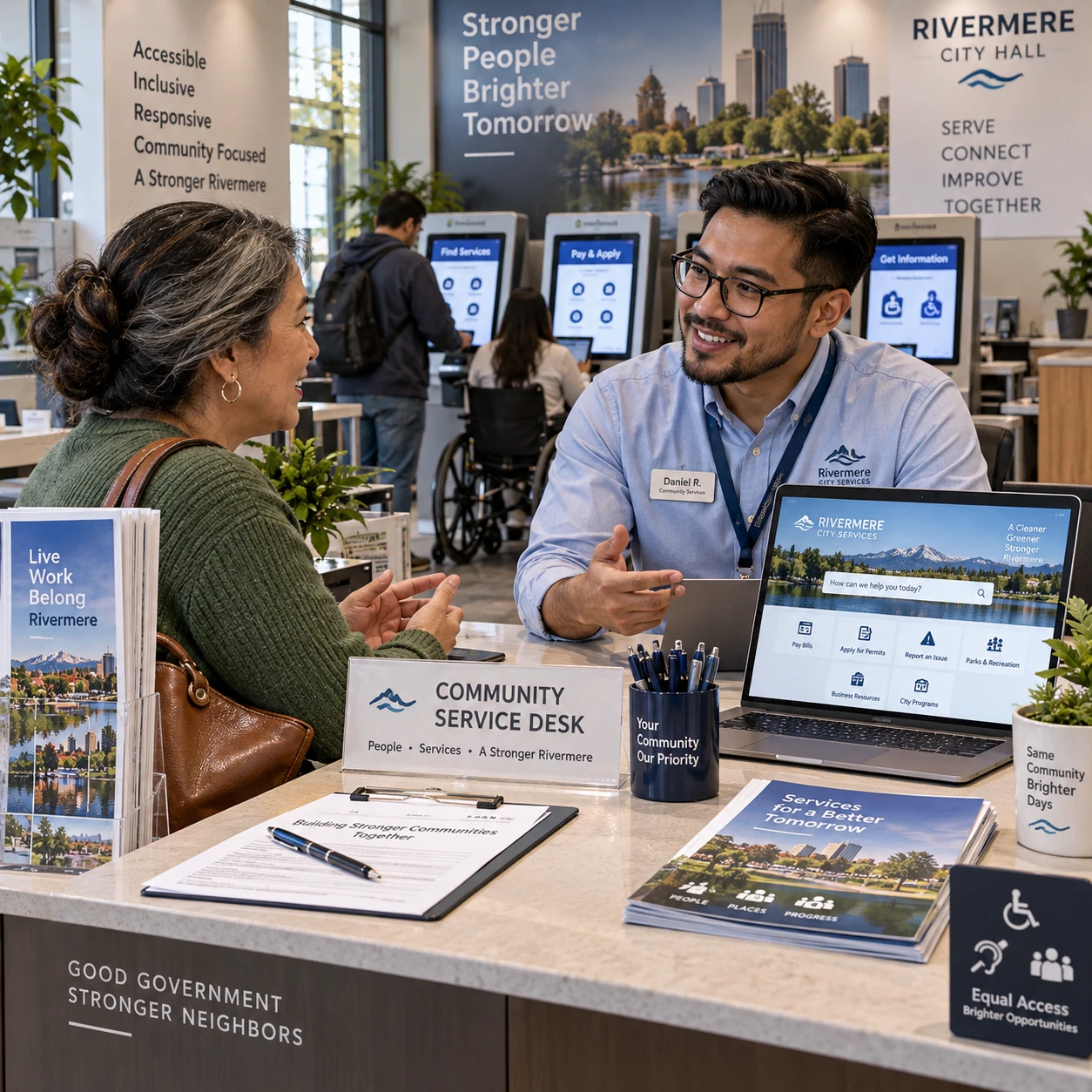
Residents often judge local government by everyday interactions: applying for a permit, finding out when waste will be collected, or getting help with a housing concern. Digital transformation can make these services easier to navigate, but only when technology supports people and improves the way public administration works.
For a local government, that means more than putting forms online. It calls for thoughtful service design, capable staff, responsible data use, and options for residents who cannot or prefer not to use a digital channel. Done carefully, digital change can make service delivery clearer and more coordinated without leaving anyone behind.
What digital transformation means for public administration
Digital transformation in public administration is the redesign of services, workflows, and organizational practices using digital tools to better meet public needs. It is broader than replacing paper forms with software because it changes how a service works from a resident’s first question through to its resolution.
Consider a resident applying for a local parking permit. A basic digitization project might turn a paper form into a downloadable PDF. A transformed service could explain eligibility in plain language, accept an application online or in person, show which documents are needed, and provide a status update without requiring repeated calls. Staff may also receive a more complete application in a system that records the next action.
This distinction matters. If a confusing process is copied onto a website, residents still face the same barriers, only on a different screen. Effective e-government starts by asking what the public needs to accomplish, then considers which steps can be simplified, joined up, or made easier to track. Technology is one part of the change; policies, responsibilities, and staff routines are part of it too.
How digital tools can improve service delivery
Digital tools can improve local service delivery by making information easier to find, reducing avoidable steps, and helping departments coordinate work. The gains depend on whether the tools fit the service and whether the underlying process is clear.
A well-organized municipal website can put opening hours, eligibility rules, forms, and contact details in one reliable place. Online booking can help residents reserve an appointment instead of waiting on a phone line. A case-management system can let authorized staff see whether a request has been received, assigned, or resolved, reducing handoffs between departments.
Digital communication can also make routine updates more useful. For example, a resident reporting a missed waste collection could receive a reference number and a notice when the issue is assigned or closed. Clear updates reduce uncertainty, though they do not replace the need for a phone number or in-person route when someone needs personal help.
These tools can support better coordination, but they do not automatically shorten wait times or improve decisions. A new portal may create another inbox if departments have not agreed who responds and when. Before choosing a platform, map the current process, identify repeated data entry, and decide how the tool will change the work. Measure the service outcome, not the number of features purchased.
Putting residents at the center of digital services
Resident-centered digital services are designed around how people actually seek help, with accessible interfaces and more than one way to complete essential tasks. Local government should make online access convenient without making it the only route to a public service.
Accessibility starts with clear language, readable text, logical navigation, and forms that work with keyboards and assistive technologies. Residents may use older phones, have limited data, speak a language other than English, or need support understanding official terms. Testing with people who have different abilities and levels of digital confidence can reveal barriers that a technical review misses.
Keep alternatives available: a staffed counter, telephone assistance, printed information, or help through a community partner. The right mix depends on the service and local circumstances. A simple appointment reminder may work well by text, while a complex benefits question may need a conversation with a trained staff member.
Citizen engagement should also shape improvements. Invite residents to test a draft form, report confusing instructions, or comment through a community meeting, survey, or feedback option on the service page. Explain what changed in response. Feedback has more value when residents can see that it led to a practical adjustment, such as removing an unnecessary document or clarifying an eligibility rule.
Building a practical transformation plan
To build a practical digital transformation plan, start with resident needs, choose a service that can be improved, involve the people who deliver it, and test changes before expanding them. A staged approach helps local governments learn without committing the whole organization to an untested solution.
- Identify the problem. Review resident enquiries, complaints, incomplete applications, and staff observations. Ask where people get stuck and which steps create repeated work.
- Prioritize a service. Choose a service with a clear pain point and a manageable scope, such as booking a bulky-waste pickup or reporting a streetlight fault. Consider public impact, complexity, cost, and risks together.
- Map the current journey. Record what residents do, what information staff need, which department acts next, and where delays or duplicated requests occur.
- Design with staff and residents. Frontline employees know where rules and systems create friction. Residents can test whether instructions and forms make sense. Include both early, not only after a vendor has been selected.
- Test, learn, and adjust. Pilot the change with a limited group or service area. Check whether residents can complete the task, whether staff can process it, and whether support channels remain available.
- Plan for operations. Assign ownership for content, system maintenance, staff training, privacy reviews, and resident support. A launch date is not a complete sustainability plan.
Local governments do not need identical budgets or platforms to follow this sequence. A small municipality might improve its website guidance and online appointment form before investing in a larger case-management system. The important discipline is to connect each purchase to a defined service problem and a way to assess progress.
Addressing implementation challenges
Digital transformation works best when local government plans for digital inclusion, data privacy, cybersecurity, system integration, and staff capacity from the start. These issues are connected: a new service can be technically secure yet unusable, or convenient for residents but difficult to support safely.
Digital inclusion and access
Not every resident has reliable internet, a suitable device, confidence online, or the ability to use a particular interface. Keep assisted and offline options for important services, and check whether the digital channel works on mobile devices and with accessibility tools. Digital inclusion is an ongoing service responsibility, not a one-time design check.
Privacy and cybersecurity
Public services may handle addresses, financial details, health information, or other sensitive records. Collect only information needed for the service, limit staff access by role, and establish clear retention and incident-response procedures. Use appropriate security controls and review vendor practices before sharing public data. Convenience should not become a reason to gather more information than the task requires.
Legacy systems and staff capacity
Older systems may not exchange information easily, creating duplicate entry or inconsistent records. Interoperability should be considered before systems are selected: identify what information must move, who is authorized to see it, and what format the receiving system can use. Integration can add cost and complexity, so a phased approach may be more realistic than replacing every system at once.
Staff also need time to learn new workflows and raise concerns. Change management means explaining why a service is changing, training the people who deliver it, and providing a route to report problems after launch. A common mistake is treating staff resistance as a communications issue alone; sometimes employees are pointing to a genuine operational or safety gap that the design needs to address.
Measuring progress and improving services
Local governments can assess digital service improvements by tracking completion, response times, resident experience, accessibility, and operational problems over time. Use a small set of measures tied to the service goal, and review them alongside feedback rather than treating any single number as proof of success.
- Service completion: How many residents finish the task, and where do applications or reports stall?
- Time and effort: How long does it take to receive a response or resolve a case? How many contacts or handoffs does a typical request require?
- Resident experience: Are instructions clear? Can residents find the right service and understand what happens next?
- Accessibility and channel choice: Can people using assistive technology complete the task, and do non-digital routes remain workable?
- Operational issues: Are staff seeing duplicate records, failed submissions, security concerns, or recurring system outages?
Compare results with a baseline from before the change, while accounting for factors such as seasonal demand or policy changes. A rise in online submissions may show that a channel is being used, but it does not tell you whether residents completed the process successfully or whether people needing other channels were served well.
Review the measures with frontline staff and residents, then make targeted changes. If people repeatedly abandon a form at the document-upload step, test clearer instructions or an alternative submission method. Improvement is a cycle: listen, adjust, and check whether the service became easier to use and deliver.
Frequently asked questions
What does digital transformation mean in local government?
It means improving public services and internal workflows through thoughtful use of digital tools. The aim is to make services clearer, more accessible, and better coordinated, not simply to move paper processes online.
How can a local government make digital services accessible?
Use plain language, accessible design, mobile-friendly pages, and testing with residents who have different abilities and levels of digital confidence. Keep phone, in-person, or assisted options for people who cannot use the online channel.
What are common challenges when modernizing public services?
Common challenges include unequal internet access, privacy and cybersecurity risks, older systems that do not share information, limited staff capacity, and unclear ownership of service changes. Address these in planning and testing, rather than waiting until after launch.
How can residents provide feedback on digital services?
Offer clear ways to comment, such as a short website form, telephone contact, community meetings, or testing sessions. Tell residents how their feedback will be reviewed and, when possible, share what changed as a result.